
Beyond the Blue: Understanding ASTM Levels for Disposable Surgical Gowns
Confused by ASTM levels for disposable surgical gowns? Not all blue gowns offer the same protection! Learn how to decode ASTM F2407 standards, choose the right barrier level (1-4) for your procedure, and ensure your team's safety. Read our essential guide to surgical gown selection.
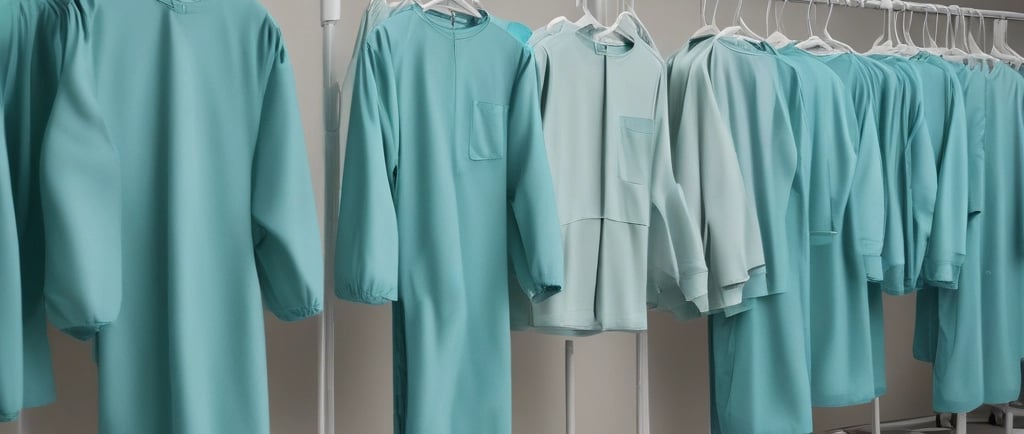
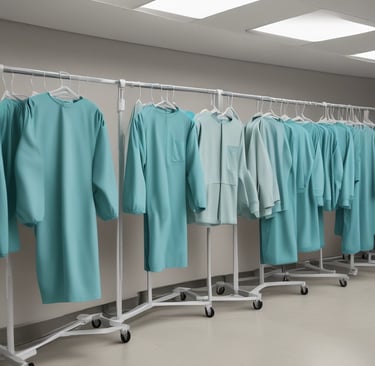
Introduction to ASTM Levels
In the medical field, ensuring safety and protection is paramount. Disposable surgical gowns play a crucial role in safeguarding healthcare professionals and patients alike. However, not all surgical gowns offer the same level of protection. This is where ASTM levels come into play. The American Society for Testing and Materials (ASTM) has established specific classifications for surgical gowns based on their resistance to various hazards. Understanding these levels is essential for making informed choices in healthcare settings.
Exploring the ASTM Levels
ASTM levels for disposable surgical gowns categorize them into four distinct grades: Level 1, Level 2, Level 3, and Level 4. Each level is designed for different surgical scenarios and provides varying degrees of protection against liquid penetration, microbial exposure, and other hazards.
Level 1 gowns are designed for minimal risk situations. They are suitable for activities where there is no expectance of exposure to fluids. Their primary function is to protect against dust and dirt. On the other hand, Level 2 gowns offer a higher degree of protection and are used in situations where there is a low risk of fluid exposure. Medical environments such as outpatient facilities often utilize these gowns.
For moderate risk situations, Level 3 gowns are ideal. These gowns provide critical protection for surgical procedures that may involve some exposure to bodily fluids. Finally, Level 4 gowns are the highest rated gowns, suitable for high-risk situations, including those involving exposure to blood or other potentially infectious materials (OPIM). They provide the greatest barrier and are typically used in surgeries, trauma care, and emergency situations.
Choosing the Right Gown for the Right Scenario
When selecting disposable surgical gowns, it is important to match the gown’s ASTM level to the specific requirements of the medical procedure being performed. Gowns that do not meet the necessary ASTM level could lead to increased risks of contamination or infection during surgeries or other critical care situations.
Healthcare providers must assess the risks associated with their specific practices and choose gowns accordingly. This decision not only affects the safety of the medical staff but also safeguards patients receiving care. Therefore, ensuring that the gowns comply with the correct ASTM level is fundamental to maintaining high standards in healthcare.
Conclusion
Understanding the ASTM levels for disposable surgical gowns is essential for making informed decisions about medical practices. As healthcare environments continue to evolve, selecting the appropriate gown can significantly impact both patient and provider safety. By familiarizing themselves with these levels, medical professionals can ensure the highest standards of protection and care.